Debunking Tattoo Myths: What Swedish Ink Artists Want You to Know


Understanding the Art of Tattooing
Tattoos have become an integral part of modern culture, but there are still many misconceptions surrounding this ancient art form. In Sweden, tattoo artists are increasingly working to dispel myths and educate the public about the realities of getting inked. This blog post will explore some of the most common myths about tattoos and what Swedish ink artists want you to know.
Firstly, tattoos are often misunderstood as reckless or impulsive decisions. In reality, the process involves careful planning and thoughtful consideration. Many people spend months or even years deciding on a design that holds personal significance. Tattoo artists in Sweden emphasize the importance of this journey, ensuring that each piece of art is a meaningful reflection of the individual's story.
Myth: Tattoos Fade Quickly
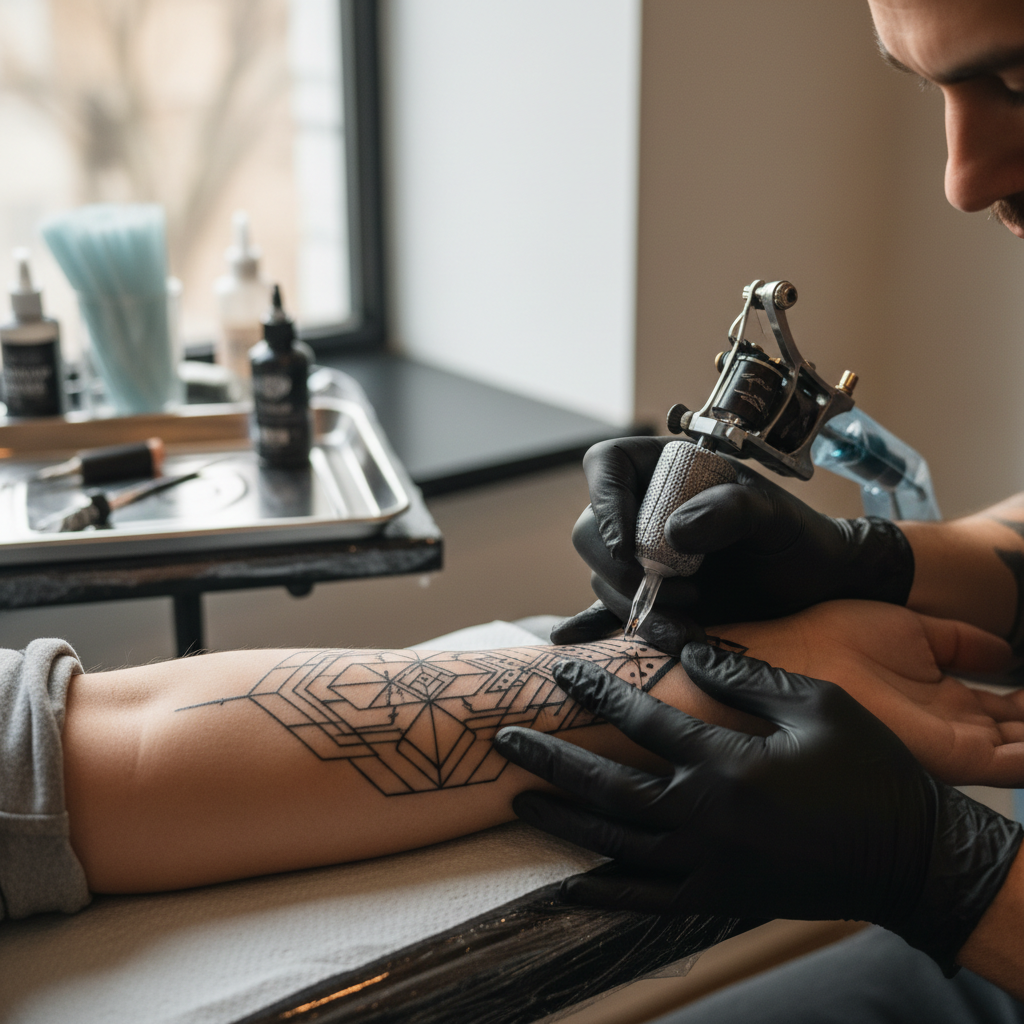
A common concern is that tattoos will quickly fade and lose their vibrancy. While it is true that tattoos can change over time, proper care and choosing the right artist can significantly enhance their longevity. Swedish tattoo artists use high-quality inks and advanced techniques to ensure that tattoos remain vivid for years. They also provide detailed aftercare instructions to help maintain the ink's brilliance.
Moreover, factors such as sun exposure and skin type can affect a tattoo's appearance. It's essential to follow aftercare advice, such as using sunscreen on tattooed areas and moisturizing regularly. These practices help preserve the tattoo's color and detail.
The Truth About Tattoo Pain
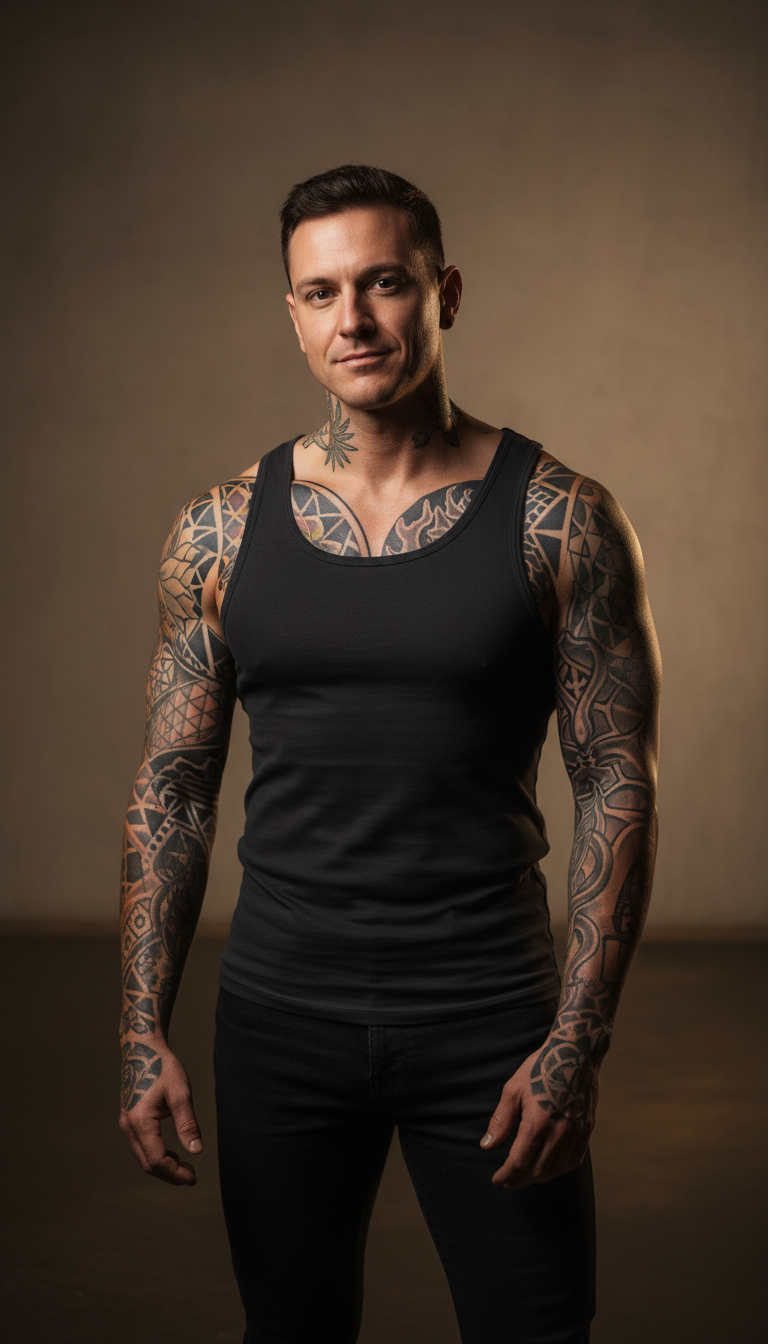
Another widespread myth is that getting a tattoo is unbearably painful. While pain is subjective and varies from person to person, Swedish tattoo artists work to make the experience as comfortable as possible. They often use numbing creams and apply techniques that minimize discomfort.
The pain level can also depend on the tattoo's location and size. Areas with more flesh are typically less painful, while bony areas might be more sensitive. It's important to communicate with your artist about any concerns, as they can offer advice and reassurance throughout the process.

Myth: Tattoos Are Unprofessional
There's a persistent belief that tattoos are unprofessional and can hinder career prospects. However, this perception is changing globally, and Sweden is at the forefront of this shift. Many industries now embrace tattoos as a form of personal expression, with numerous workplaces adopting more inclusive policies.
In Sweden, the creative and tech industries are particularly accepting of tattoos. As societal norms evolve, more companies are recognizing the value of diversity and individualism, which includes personal body art. This change reflects a broader cultural acceptance, making tattoos a respected form of self-expression.
Hygiene and Safety Standards
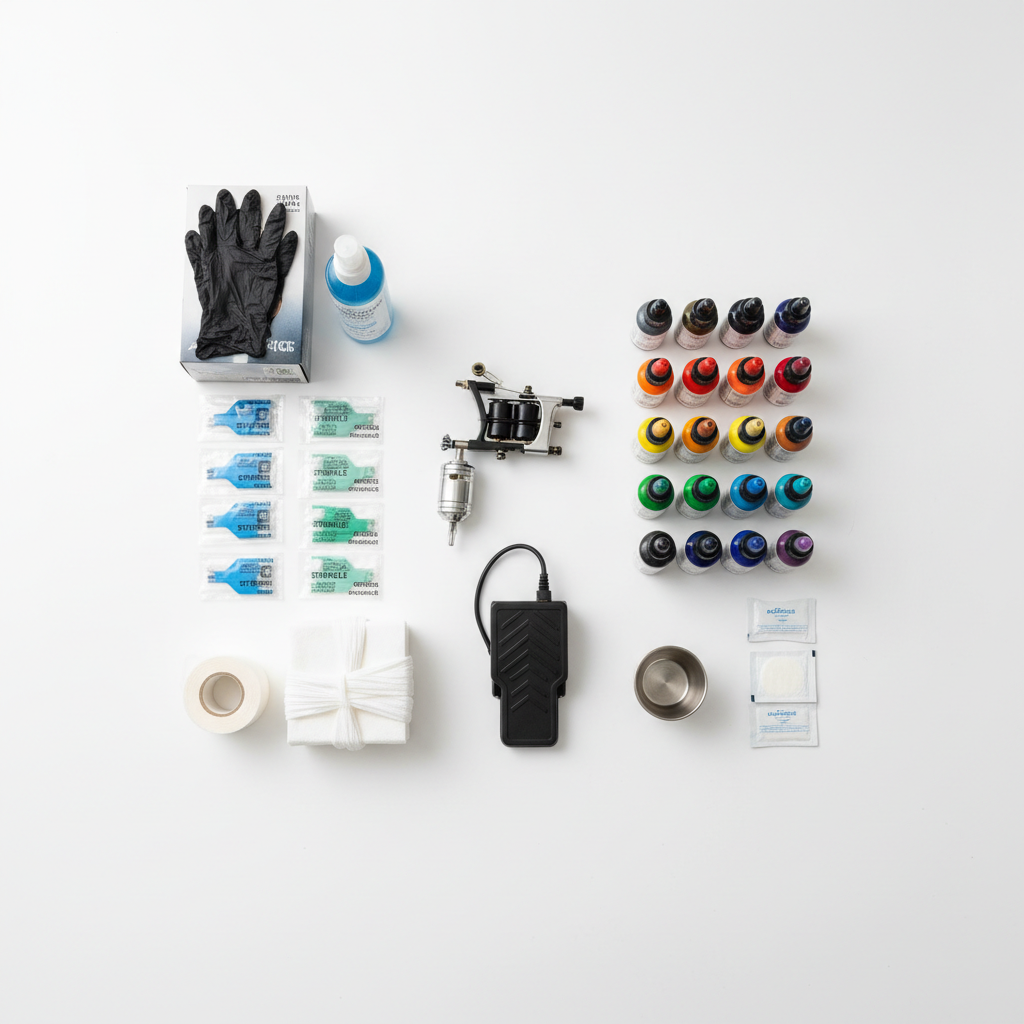
Safety is another area where myths abound. Some people fear that getting a tattoo involves significant health risks. Swedish tattoo parlors adhere to strict hygiene and safety standards to ensure client safety. Artists are required to use sterile equipment, disposable needles, and follow rigorous cleanliness protocols.
Before getting a tattoo, it's crucial to research and select a reputable studio. Reading reviews and asking for recommendations can help ensure that you choose a professional and hygienic environment.
Final Thoughts
Debunking these myths helps foster a better understanding of the tattooing process and the artistry involved. Swedish tattoo artists are dedicated to creating beautiful, personalized designs while maintaining the highest standards of quality and safety. By understanding the realities behind common misconceptions, individuals can make informed decisions about their body art.
Whether you're considering your first tattoo or adding to your collection, embracing the truth about tattoos can enhance your appreciation for this timeless form of expression.