The Art and Technique Behind Blackout Tattoos


Understanding Blackout Tattoos
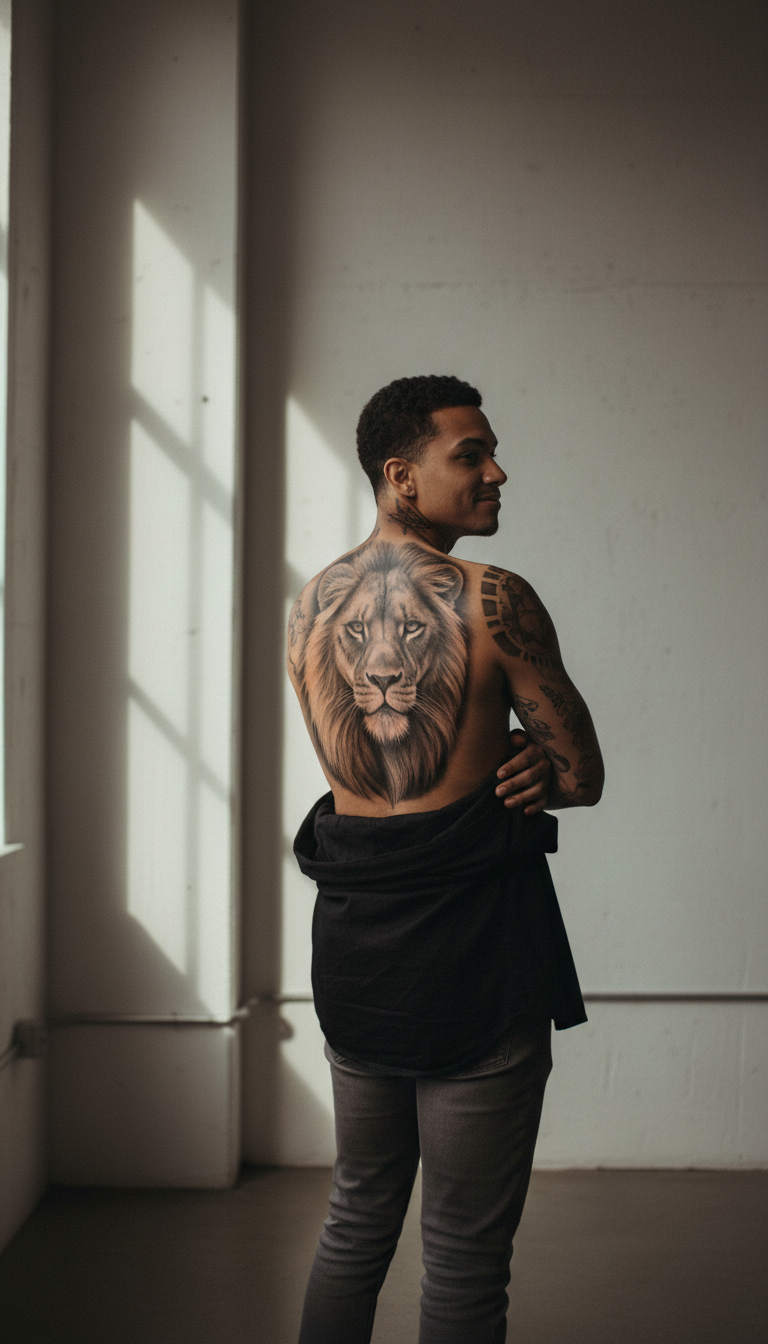
Blackout tattoos have emerged as a bold and striking art form within the tattoo industry. Known for their dramatic and all-encompassing black ink coverage, these tattoos are both a statement of personal style and a testament to the skill of the tattoo artist. But what makes blackout tattoos so captivating, and what techniques are involved in their creation?
The History and Evolution
While tattoos have been around for centuries, blackout tattoos are a relatively modern development. Initially, they were used as a method to cover up unwanted tattoos. Over time, they evolved into a standalone art form, celebrated for their aesthetic appeal and ability to make a bold statement.
Blackout tattoos have gained popularity due to their versatility. They offer a blank canvas for creativity and can be further enhanced with intricate designs etched into the black ink.
The Technique Behind the Art
Creating a blackout tattoo requires a unique set of skills and techniques. Tattoo artists need to ensure even coverage of the ink, which demands precision and patience. The process involves layering the black ink multiple times to achieve a rich, uniform look.
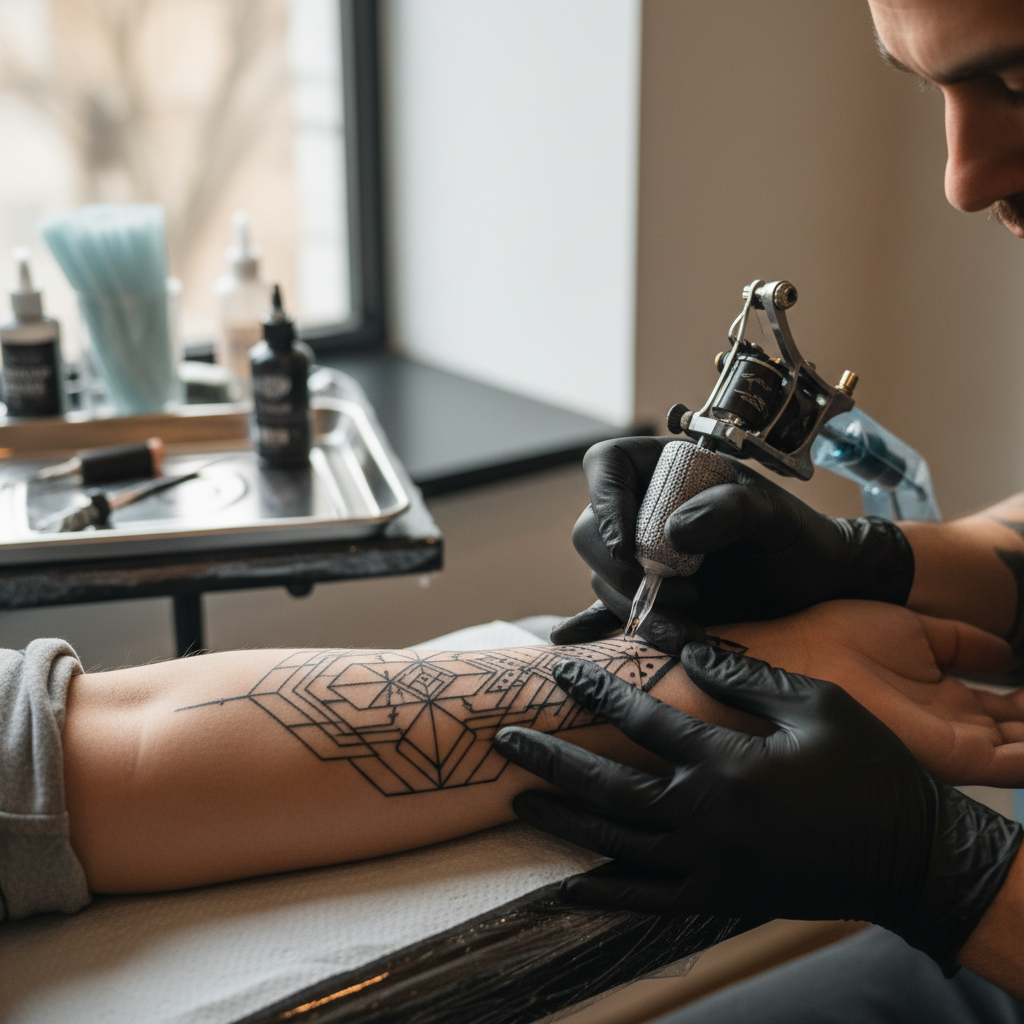
Additionally, artists often use different needle sizes to accommodate the various parts of the body and the complexity of the design. The technique requires a keen eye for detail and an understanding of how the ink interacts with the skin.
Why Choose a Blackout Tattoo?
There are several reasons individuals opt for blackout tattoos. For some, it's about making a bold fashion statement. Others may choose blackout tattoos to cover old, unwanted designs. Moreover, these tattoos can serve as a canvas for future artwork, allowing for creative layering and intricate designs over the solid black base.
Another advantage is the timeless appeal of blackout tattoos. Unlike colorful tattoos that may fade or change over time, the bold black ink remains striking and impactful.
Considerations and Aftercare
Before getting a blackout tattoo, it’s essential to consider the commitment involved. The process can be lengthy and requires a high pain tolerance due to the extensive coverage. It’s crucial to choose a skilled artist with experience in blackout work to ensure quality results.
Proper aftercare is vital to maintain the tattoo's appearance. This includes keeping the tattoo clean, moisturized, and protected from the sun. Following the artist's aftercare instructions can make a significant difference in the healing process and the longevity of the tattoo.
Embracing the Boldness
Blackout tattoos are more than just a trend; they are a form of self-expression that challenges traditional tattoo norms. Whether you're looking to cover an existing tattoo or embrace a bold new look, blackout tattoos offer endless possibilities for creativity and personal style.
As this art form continues to evolve, it will be exciting to see how artists push the boundaries of design and technique, creating ever more stunning works on the canvas of human skin.