The Evolution of Tattoo Art: Trends and Innovations


The Historical Roots of Tattoo Art
Tattooing has been a form of self-expression for centuries. From the tribal tattoos of indigenous peoples to the intricate designs of Japanese irezumi, tattoos have played a vital role in cultural identity and storytelling. These early forms of body art laid the groundwork for the diverse styles we see today.

The Rise of Modern Tattooing
In the late 19th and early 20th centuries, tattooing began to gain popularity in Western cultures. Sailors and military personnel were among the first to embrace tattoos, using them to mark significant life events and travels. As society evolved, so did the perception of tattoos, transitioning from taboo to mainstream.
With the invention of the electric tattoo machine in the 1890s, the art form became more accessible and intricate. This innovation allowed artists to create more detailed designs, paving the way for the complex styles we admire today.
Contemporary Styles and Techniques
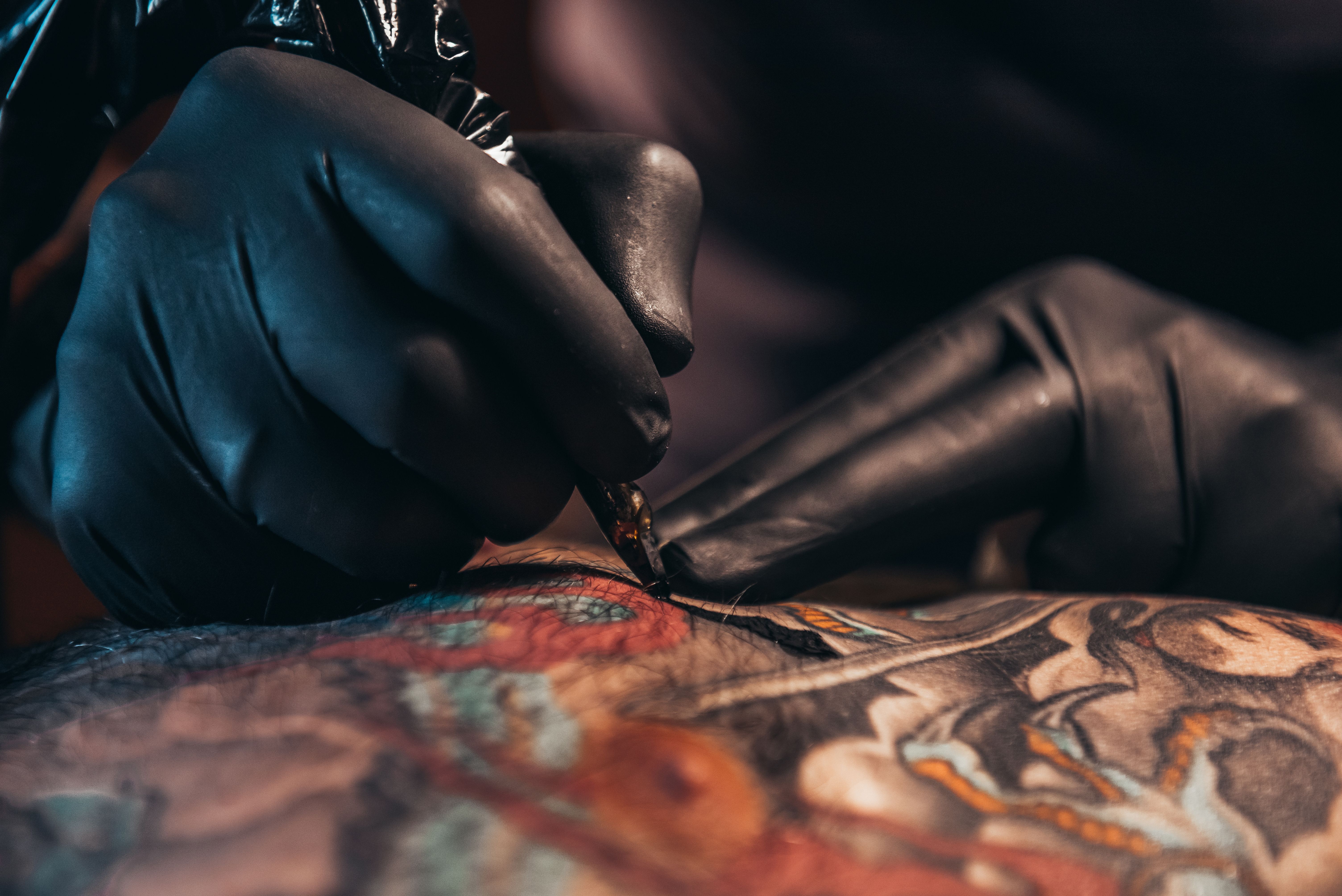
The tattoo industry has seen a surge in creativity and innovation over the past few decades. Styles such as realism, watercolor, and geometric tattoos have gained popularity, each offering a unique aesthetic. Artists are continually pushing the boundaries, merging traditional techniques with modern artistry.
The Role of Technology in Tattoo Art
Technology has played a significant role in the evolution of tattoo art. Digital design software allows artists to create precise designs, while advancements in ink and equipment have improved the quality and safety of tattoos. These innovations have helped broaden the appeal of tattoos, attracting a more diverse clientele.
Additionally, social media platforms have given artists a global stage to showcase their work, influencing trends and inspiring new styles. The internet has made it easier than ever for individuals to find and connect with talented tattoo artists worldwide.
Trends Shaping the Future of Tattooing
As we look to the future, several trends are shaping the tattoo industry. Minimalist tattoos, with their clean lines and simple designs, have become a favorite among millennials. Similarly, the demand for eco-friendly and vegan inks reflects a growing awareness of sustainability within the industry.

The Influence of Cultural Exchange
Globalization has facilitated the exchange of cultural and artistic ideas, leading to a fusion of styles and techniques. Artists are increasingly drawing inspiration from diverse cultures, blending elements to create unique and meaningful designs. This cultural exchange enriches the tattoo landscape, offering endless possibilities for self-expression.
As tattooing continues to evolve, it remains a powerful form of personal and artistic expression. The future of tattoo art promises to be as dynamic and diverse as its history, with new trends and innovations continually emerging.